
Table of Contents
Understanding PPC in the Fire Industry
In the fire industry, achieving a strong Public Protection Classification can lead to significant insurance savings for communities and businesses alike. A superior rating might reduce premiums by up to 50% in some areas, directly benefiting fire protection companies and their clients by lowering operational costs and enhancing financial stability. It can also increase online visibility via Fire Protection Industry SEO Services.
The Public Protection Classification, or PPC, is an ISO program that evaluates fire departments and communities on a scale from 1 to 10, with 1 being the highest for exceptional capabilities. According to Verisk’s PPC Program FAQs, this fire safety classification assesses fire suppression efforts and emergency medical services, considering factors like water supply, equipment, and personnel training. For PPC for the fire industry, these evaluations play a pivotal role in determining insurance rates for properties, influencing how fire professionals plan responses and allocate resources. Consider a small Texas town where a PPC upgrade from 6 to 3 slashed local business insurance costs, enabling better investment in safety measures and underscoring the real stakes for community fire grading.
Fire protection services form the backbone of these assessments, including the installation and maintenance of critical systems. A well-designed fire sprinkler system, for instance, can dramatically improve suppression outcomes, contributing to lower PPC scores and bolstering overall emergency readiness.
This guide explores PPC fundamentals, in-depth analysis, practical applications, and strategies for improvement, equipping fire industry stakeholders with the knowledge to navigate these evaluations effectively.
PPC Fundamentals for Fire Protection
The Public Protection Classification (PPC) program serves as a critical benchmark in the fire industry, evaluating the effectiveness of fire suppression and emergency services. Known as a comprehensive fire grading system, PPC for the fire industry assigns classes from 1 to 10, with Class 1 representing the highest level of protection and Class 10 the lowest. Plus notations indicate superior performance in specific areas, influencing insurance premiums and community safety standards. This system encourages fire departments to optimize resources, potentially leading to premium reductions of up to 20% for insurers and communities, as noted in recent Verisk updates on new PPC fire protection classes. For agencies seeking improved online visibility and targeted marketing, see Results Digital SEO Services For Fire Protection Industry.
Understanding the PPC grading scale begins with its credit-based framework. Departments earn credit points across various factors, with a total possible score determining the class rating. For instance, a well-equipped department achieving strong scores in multiple areas might secure a Class 3 designation, balancing strengths in response times and equipment with room for improvement in water delivery. This scale not only assesses capabilities but also guides strategic enhancements in fire protection services.
PPC evaluations provide a holistic view of community fire safety by examining 10 key credit categories. These categories ensure a balanced assessment of infrastructure, personnel, and prevention efforts, directly impacting operational strategies for fire departments.
The following table offers an overview of the PPC credit categories:
Category Description Max Credits
| Fire Department | Evaluates department needs assessment, distribution, and effectiveness. | 150 |
| Water Supply | Assesses water sources, storage, and delivery systems. | 40 |
| Equipment and Tools | Reviews apparatus, tools, and maintenance standards. | 50 |
| Personnel | Examines training, staffing, and response capabilities. | 30 |
| Telecommunications | Covers dispatch and communication systems. | 10 |
| Fire Suppression | Includes hydrants, sprinklers, and suppression efforts. | 40 |
| Emergency Medical Services | Evaluates pre-hospital care integration. | 10 |
| Community Risk Reduction | Focuses on prevention programs and codes. | 10 |
| Auto Exposure | Assesses response to structure fires. | 10 |
| Hydraulics | Tests water flow and pressure capabilities. | 10 |
This table, drawn from Verisk PPC guidelines, highlights the diverse factors contributing to a department’s rating. Balanced credits across these categories are essential for achieving better classes; for example, strong water supply and suppression scores can offset minor weaknesses elsewhere, leading to overall improved classifications. According to NFPA data, effective fire suppression systems reduce property damage by up to 60%, underscoring the importance of these evaluations in daily operations.
In the fire suppression category, a key element is the fire sprinkler system, which automatically activates to control fires and is heavily weighted in PPC ratings. Departments with widespread sprinkler coverage earn higher credits, integrating seamlessly with hydrant networks for enhanced suppression evaluation. This ties directly into broader fire protection services, where maintenance of such systems ensures compliance and rapid response.
Fire protection services extend PPC fundamentals to practical applications, like regular inspections and training programs that align with credit criteria. A Class 3 department, for example, might excel in personnel training but invest in telecommunications upgrades to boost its score. These efforts not only refine suppression capabilities but also support emergency medical integration and community risk reduction initiatives.
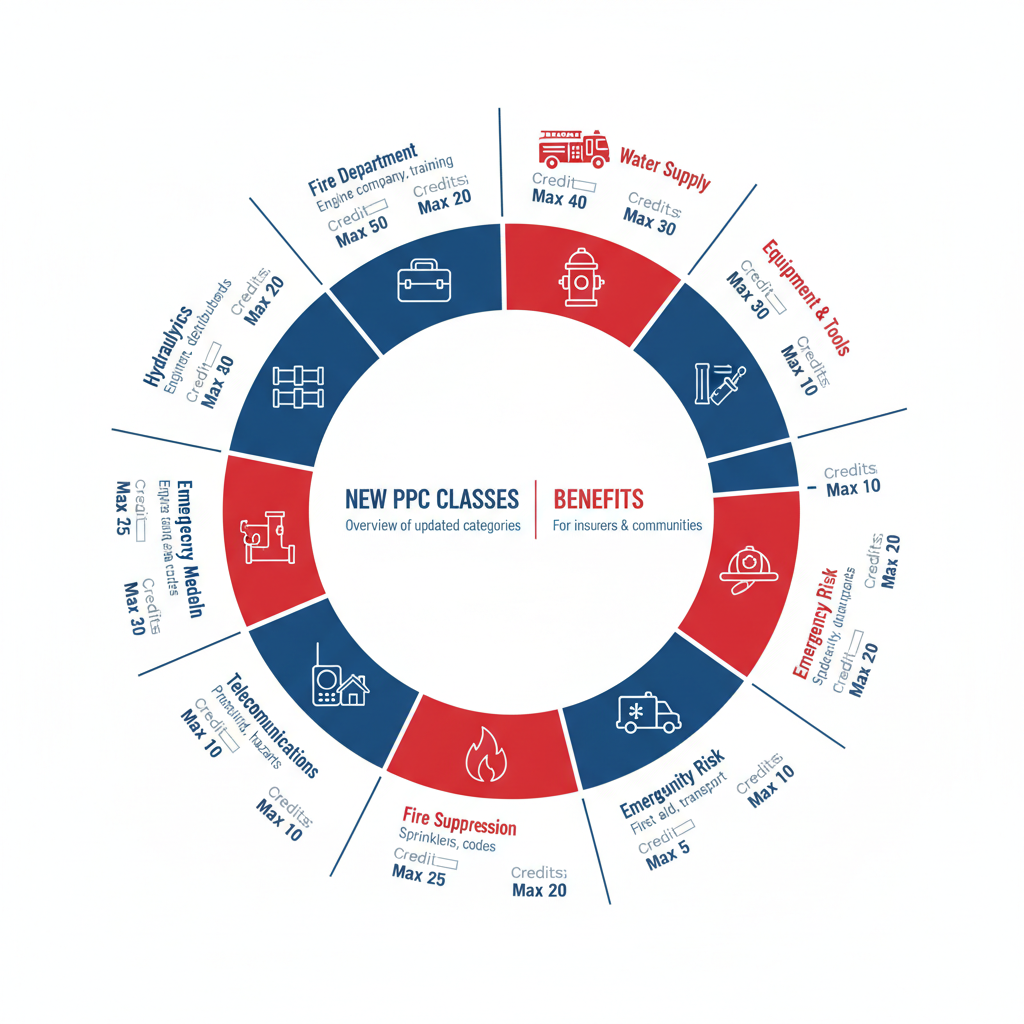
PPC credit categories overview for fire protection services
As fire departments navigate these fundamentals, the ISO survey process–conducted every decade–reviews documentation and on-site inspections to assign or update ratings. This baseline evaluation requires participation from local agencies, setting the stage for deeper dives into specific credit assessments and improvement strategies.
Deep Dive into PPC Evaluations
The Public Protection Classification (PPC) system, crucial for PPC for fire industry, evaluates a community’s fire protection capabilities through a structured ISO process. This deep dive explores how ISO conducts assessments via desk reviews of records and on-site field visits to verify operational readiness. These evaluations inform insurance classifications, influencing rates for properties. The methodology ensures comprehensive coverage of 10 categories, from water supply to community risk reduction, highlighting strengths and areas for improvement in fire departments.
ISO’s survey process has evolved to meet modern fire safety demands, shifting from outdated methods focused solely on basic response times. Traditional systems often overlooked integrated elements like EMS and public education, leading to incomplete risk profiles. In contrast, PPC incorporates holistic data from surveys, visits, and records, promoting proactive enhancements. This progression aligns with Verisk guidelines, emphasizing data-driven insights over simplistic metrics.
Aspect PPC System Traditional Ratings
| Scope | Holistic: 10 categories including suppression, water, personnel. | Narrow: Primarily response time and equipment. |
| Grading | 1-10 scale with credits and Plus ratings. | Pass/fail or basic numerical scores. |
| Update Frequency | Every 10 years or as needed. | Infrequent, often decades old. |
| Data Sources | ISO surveys, site visits, records. | Limited self-reports and inspections. |
| Benefits | Direct insurance ties, community improvement focus. | Minimal incentives for upgrades. |
PPC’s advantages lie in its comprehensive approach, fostering better resource allocation and lower community risks compared to legacy systems. Drawing from Verisk and NFPA, it ties evaluations to tangible outcomes like reduced premiums, encouraging departments to pursue credits in non-traditional areas. This modern framework supports evolving fire needs, integrating technology and community programs for superior protection.
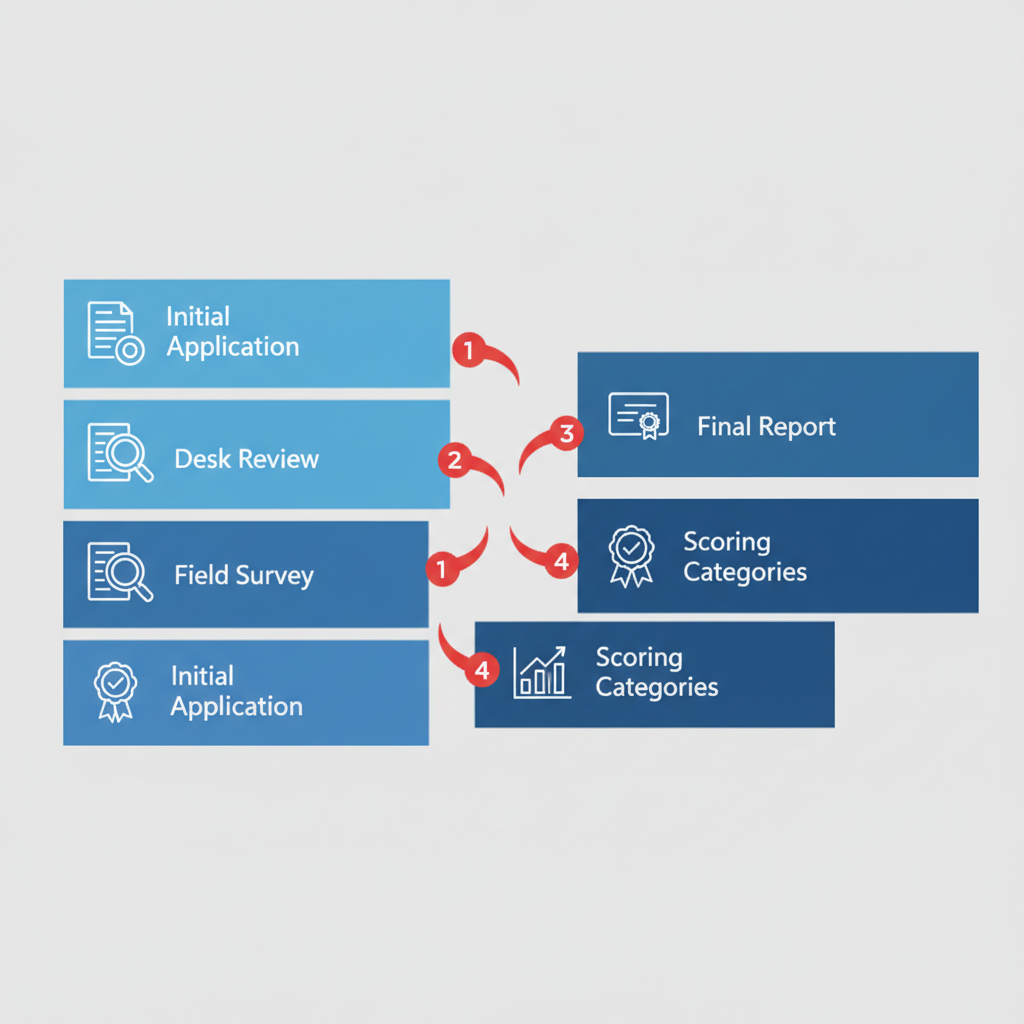
Five-step horizontal process flow for PPC evaluation
The flowchart above outlines the five key steps: pre-survey planning, document review, field inspections, data analysis, and final classification. This visual aid clarifies how ISO builds a complete picture, often revealing overlooked efficiencies in fire protection services.
Fire Suppression and Water Supply Assessments
ISO evaluates fire suppression and water supply through rigorous testing and documentation, focusing on hydrant flow rates and fire sprinkler system reliability. Field visits include hydrant inspections to measure pressure and volume, ensuring adequate delivery for fires. Suppression capability assessment credits up to 25 points for automatic sprinklers in commercial buildings, where systems like wet-pipe designs excel for quick activation. Departments must document maintenance logs to qualify, addressing queries on how fire sprinkler systems work and their upkeep.
For example, a mid-sized urban department earned Plus status by verifying 95% hydrant functionality, reducing class from 4 to 3. Tip: Prioritize annual testing to avoid deductions; misconceptions like over-relying on suppression ignore water source integration, which can cap scores if pumps falter. These assessments directly impact insurance, making thorough records essential for credits.
Personnel and Equipment Standards
Personnel standards in PPC grading emphasize training and staffing levels, aligned with OSHA fire safety guidelines. ISO reviews certification records, requiring at least four trained members per shift for optimal scoring. Department readiness grading includes apparatus evaluations, checking engine pump capacity and ladder reach during visits. Compliance stats from OSHA show trained crews reduce incidents by 30%, underscoring the need for ongoing drills.
A case study from a suburban fire department illustrates this: After enhancing CPR and hazmat training, they improved from Class 5 to 3, boosting operational efficiency. Tips include documenting ISO-compliant exercises quarterly. Common pitfalls involve underestimating equipment age; outdated trucks deduct points, emphasizing proactive fleet maintenance for higher ratings.
Risk Reduction and EMS Integration
Risk reduction covers community programs like fire inspections and education, integrating EMS for holistic ratings. ISO assesses pre-fire planning and medical response times, awarding credits for joint fire-EMS operations that cut fatalities. Public awareness campaigns on smoke alarms contribute to better scores, addressing best fire sprinkler systems for commercial buildings through targeted outreach.
These factors highlight modern PPC’s emphasis on prevention, with deficiencies like poor EMS ties potentially raising classes. Departments can improve by partnering on drills, as seen in a rural case where integrated training lowered risks by 20%. This synthesis shows how evaluations drive actionable enhancements, hinting at marketing strategies like google ads for fire protection companies to promote services.
Practical Strategies for PPC Improvement
Improving PPC for the fire industry requires targeted investments that enhance suppression capabilities and operational readiness. Communities and fire departments can achieve higher scores by focusing on infrastructure upgrades, personnel training, and strategic partnerships with reliable providers. These efforts not only boost credits but also lead to tangible insurance savings, such as a 20% reduction in premiums for enhanced systems. By prioritizing actionable steps, fire services can improve emergency response times and overall efficacy.
Community Investments in Fire Infrastructure
Upgrading water supplies and suppression systems stands as a cornerstone for PPC score enhancement tactics. Start by assessing current hydrant networks and water flow rates to identify bottlenecks that limit firefighting effectiveness. Implement regular hydrant maintenance to ensure reliable pressure, which directly contributes to water supply credits during ISO evaluations.
For suppression upgrade plans, consider installing or retrofitting fire sprinkler systems. Dry and wet pipe systems offer versatile protection, with costs varying by building type. The average fire sprinkler system installation cost ranges from $2 to $5 per square foot, depending on complexity and compliance needs per NFPA standards. A mid-sized commercial building might invest $50,000, yielding substantial returns through faster fire control and reduced property damage.
Conduct a cost-benefit analysis before proceeding: Initial expenses often pay off via insurance discounts and fewer claims. For instance, communities investing in these upgrades have seen PPC gains of 30-50 points in suppression categories, alongside quicker response times that save lives and assets.
- Checklist for Infrastructure Upgrades:
- Map existing water sources and test flow rates annually.
- Evaluate building vulnerability to prioritize sprinkler retrofits.
- Secure grants from local governments for high-impact projects.
- Document all changes for upcoming ISO resurveys.
These steps align with NFPA guidelines for code-compliant installations, ensuring long-term reliability and PPC progress.
To effectively prioritize infrastructure improvements, fire departments must evaluate budget constraints alongside immediate risks. High-risk zones, such as urban areas with dense populations, benefit most from rapid hydrant enhancements, which require minimal upfront capital but deliver quick credit boosts. Drawing from NFPA data, annual maintenance budgets around $5,000 can prevent costly failures during emergencies. Larger suppression projects, like full sprinkler networks, demand phased funding but offer the highest ROI through 20-30% premium reductions. Departments should collaborate with municipal planners to align investments with community needs, balancing short-term fixes with strategic overhauls for sustained PPC advancement.
The following table outlines key strategies, highlighting cost levels, credit impacts, and timelines based on industry benchmarks:
Strategy Cost Level Impact on Credits Timeline
| Hydrant Maintenance | Low ($5K/year) | +10-20 credits in water/suppression | Immediate |
| Sprinkler Retrofitting | Medium ($50K/building) | +30-50 credits in suppression | 6-12 months |
| Training Programs | Low ($10K/year) | +15 credits in personnel | Ongoing |
| New Apparatus Purchase | High ($200K+) | +25 credits in equipment | 1-2 years |
When prioritizing these options, low-cost initiatives like hydrant maintenance provide immediate wins for cash-strapped departments, while higher investments in sprinklers yield greater long-term credits. NFPA estimates underscore the ROI: For every $1 spent on suppression upgrades, fire services can realize $4-6 in insurance savings. Budget allocation should factor in local hazard profiles–rural areas might favor equipment over infrastructure–ensuring efficient resource use without overextending finances.
Training and Equipment Enhancements
Enhancing personnel skills and tools directly elevates PPC ratings in the personnel and equipment categories. Develop comprehensive training programs certified by NFPA to cover advanced firefighting techniques, hazardous materials handling, and emergency medical response. Annual sessions costing around $10,000 can certify 20-30 firefighters, adding 15 credits by demonstrating readiness during ISO reviews.
For equipment, upgrade apparatus and tools with modern features like thermal imaging and self-contained breathing units. A new fire truck investment of $200,000+ boosts deployment speed and capability, linking to 25 credits in equipment scoring. These enhancements improve insurance outcomes by reducing incident severity and claims frequency.
- Outline steps for implementation:
- Assess current training gaps through skills audits.
- Partner with regional academies for cost-effective certification.
- Inventory equipment and replace outdated items based on usage data.
- Track progress with metrics like response times and certification rates.
Benefits include a 15-20% drop in operational risks, fostering safer communities and higher PPC scores.
Selecting Fire Protection Services
Choosing the right fire protection services is crucial for PPC goals, especially for sprinkler installation and maintenance. Evaluate providers based on BBB ratings and NFPA compliance to ensure reliability; identify qualified vendors through fire protection google ads. Look for firms with proven expertise in system design, offering services like inspections and retrofits at competitive rates–around $1,000 annually for basic maintenance.
- Key criteria for selection:
- Experience in local codes and high-risk installations.
- Transparent pricing without hidden fees.
- Strong references from similar fire departments.
- Commitment to documentation for ISO audits.
Opt for providers emphasizing emergency fire protection services to support rapid response needs. This choice not only aids suppression credits but also streamlines ongoing compliance.
For successful implementation, document every strategy with photos, logs, and certification proofs ahead of ISO resurveys. Collaborate with local insurers to quantify benefits, such as premium adjustments post-upgrades. Regular reviews every six months keep efforts aligned, driving measurable PPC improvements and community safety.
Advanced PPC Applications and Insights
In the fire protection sector, advanced Public Protection Classification (PPC) strategies extend beyond basic compliance, offering sophisticated tools for risk management and business growth. Stakeholders in the fire industry leverage these classifications to integrate cutting-edge technologies and optimize insurance outcomes, ensuring long-term resilience against evolving threats.
Insurance Strategies and Premium Reductions
PPC classifications play a pivotal role in PPC for the fire industry, directly influencing insurance premiums by rewarding robust fire protection infrastructure. Higher ratings, such as Class 1 or 3, demonstrate superior water supply and response capabilities, leading to substantial premium reductions that make properties more attractive to insurers and tenants alike. For instance, businesses achieving better classifications often see credits up to 50%, translating to significant annual savings. This not only lowers costs but also positions fire protection services providers as key partners in financial risk mitigation. See ppc for roofing companies for an example of targeted PPC strategies applied to service industries. Verisk’s updated PPC framework highlights how these adjustments benefit insurers and communities, with case studies showing commercial buildings reducing premiums through targeted upgrades.
The direct tie between PPC classes and insurance lies in their assessment of community-wide fire mitigation efforts, including fire department efficacy and infrastructure. Properties in well-classified areas benefit from lower risk perceptions, encouraging investments in advanced systems that further enhance ratings. According to Verisk data, average adjustments average 10-50% based on class, with fire protection investments yielding measurable returns over time.
PPC Class Premium Adjustment Example Savings
| Class 1 | Up to 50% credit | $10K/year for commercial building. |
| Class 3 | 30-40% credit | $6K/year. |
| Class 5 | 10-20% credit | $2K/year. |
| Class 10 | No credit | Baseline premiums. |
Strategically, facilities managers should prioritize PPC improvements to maximize these savings, consulting local fire authorities for resurveys. By focusing on high-impact areas like hydrant maintenance, organizations can elevate their class, unlocking premium reduction tactics that align with broader risk management goals. This approach, informed by Verisk insights, fosters proactive planning and enhances overall property value.
Tech Integrations and Emerging Applications
Modern PPC evaluations increasingly incorporate smart suppression systems and automated monitoring, elevating classifications through demonstrated reliability. For example, integrating IoT-enabled devices with traditional setups allows for real-time data on system performance, satisfying OSHA standards for fire safety enhancements. Regular fire sprinkler system maintenance ensures these technologies meet rating criteria, preventing downtime and bolstering response times. In urban centers, fire protection services near me can specialize in these integrations, offering clients seamless upgrades that blend legacy systems with AI-driven alerts. Hypothetically, a facility adopting such tech could jump from Class 5 to Class 3, amplifying insurance benefits while addressing multi-jurisdictional compliance challenges across state lines.
Resurveys, Appeals, and Future Outlook
To capitalize on advancements, stakeholders should pursue resurveys every five years or after major upgrades. The appeal process involves these steps: 1) Gather documentation on improvements like enhanced water supplies; 2) Submit a formal request to the local grading authority; 3) Undergo an independent audit; 4) Review results and iterate if needed. This not only refines classifications but also highlights agency expertise in navigating complex regulations.
Looking ahead, PPC evolution will emphasize sustainable practices and digital twins for simulation-based ratings. Fire protection services will increasingly market these advanced classification strategies to attract premium reduction tactics-oriented clients, driving industry growth through informed, forward-thinking applications.
Common PPC Questions Answered
Just as ppc for roofers drives targeted leads for construction firms, PPC for the fire industry assesses community fire suppression capabilities to inform insurance and safety strategies. This FAQ provides clear answers for professionals.
What is the ISO Public Protection Classification (PPC) program? The PPC program rates a community’s fire suppression response capabilities, including fire alarms, water supply, and engine companies. It assigns a numeric rating from 1 to 10, where Class 1 signifies top-tier protection, helping insurers set fair premiums.
How are PPC evaluations conducted? Evaluators review emergency fire protection services through on-site inspections and data analysis every 10 years. They score factors like department staffing, apparatus, and dispatch communications, drawing from structured surveys to ensure comprehensive coverage.
What do the PPC categories represent? Categories reflect mitigation levels, with lower numbers indicating stronger fire protection services. For instance, a Class 3 to 4 rating shows solid systems, including hydrants and engines, while higher classes signal areas for improvement in response times.
How can fire departments improve their PPC rating, and what benefits follow? Departments can upgrade by installing advanced fire sprinkler systems in commercial buildings and training personnel. Better ratings lead to lower insurance rates for properties, enhancing affordability and encouraging proactive safety measures as discussed earlier.
Key Takeaways on PPC for Fire Safety
PPC for the fire industry offers powerful tools to enhance fire protection services and overall safety. In this fire readiness summary, key insights emphasize targeted advertising’s role in reaching businesses needing reliable fire sprinkler systems and rapid response solutions.
- Strategic Impact: PPC drives qualified leads, reducing insurance premiums through demonstrated proactive fire prevention.
- System Essentials: Integrating PPC promotes awareness of fire sprinkler systems, tying into core protection strategies for faster installations.
- Ongoing Improvements: Regular campaign optimization ensures evolving compliance and efficiency in fire services.
- Response Enhancement: According to NFPA, effective systems prevent 96% of fires from spreading, underscoring PPC’s value in swift, informed responses.
By applying these takeaways, fire professionals can elevate community safety and drive sustainable growth.